So, I leave the country for a few weeks and suddenly everyone gets diarrhea.
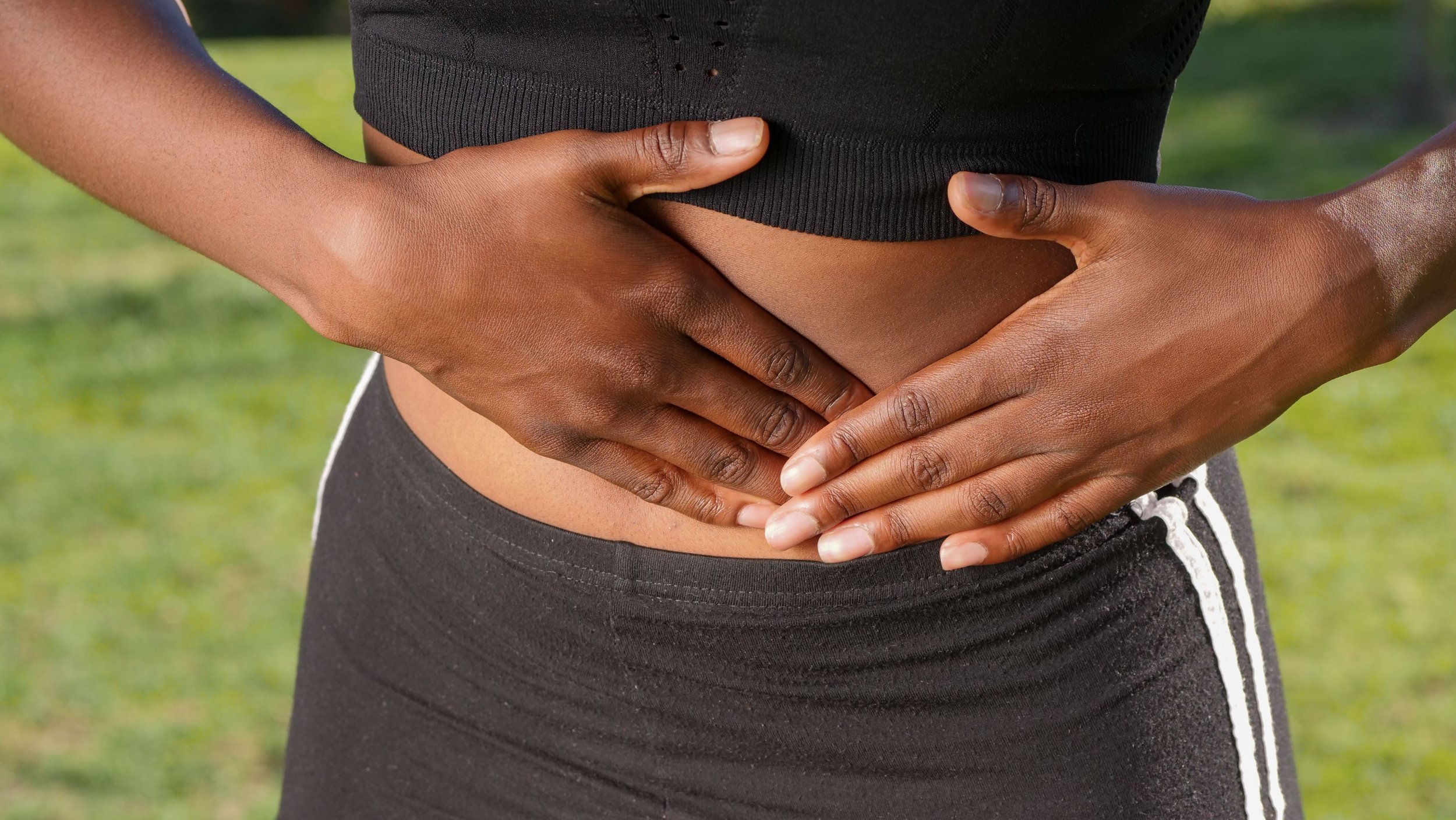
Over the last few days, the news has been all over this like flies on… well, it’s been quite the story. Bouts of explosive diarrhea have bubbled up across 30 states, caused by the microscopic parasite Cyclospora cayetanensis. This single-celled critter is responsible for the Yellow River tearing across the US, causing symptoms of fatigue, abdominal cramps, and indeed sometimes violent watery stools. Unlike a stomach bug, this infection can last for days or months.
While cases are increasing in the sunshine state, Florida has so far been spared compared to elsewhere. However, that may not last. At time of writing, there is no clear culprit for the proliferation of the poopy parasites, though it’s suspected that they are riding along on contaminated produce. The fact that this is occurring in over 30 states suggests a national supplier, but investigations are ongoing.
In addition to just providing a PSA (poop service announcement?), I found this interesting because it highlights why the Chinese had long held that certain dietary practices can be dangerous.
Traditional Chinese Medicine makes it pretty clear: limit or avoid entirely raw cold food. When we talk about it in clinic, it’s often paired with arcane language like “introducing cold into the gut.” But this does a disservice to the medicine, which has always had a strong practical underpinning. We’re seeing it right now - if you don’t cook your food, you’re much more likely to pick up an unfriendly hitchhiker intent on turning all your pants brown.
It’s not just that, though. Raw foods force the gut to work harder. Peristalsis - the movement of the GI smooth muscle - kicks up. Digestion slows because your system has to break down food components usually softened by cooking. People with weaker digestive systems will really feel the extra burden raw foods cause. All this in addition to increased rates of parasitic infection.
Two Millennia of Practice

TCM has a strong pedigree in the treatment of parasitic organisms. Symptoms and treatments were recorded in the Su Wen written around 200 BCE. Today, there are over 11,000 formulas and variations to treat many different kinds of parasitic infection. Famously, Dr. Tu Youyou derived a world-changing malaria drug from the Chinese Formula Wu Mei Wan in 1967 (malaria is caused by another protozoan parasite, Plasmodia).
It’s pretty clear that the Chinese know what they’re talking about here. They have over 2,200 years of clinical experience which has been confirmed with modern medical and pharmaceutical science. This should be a solid win against loose stools right? The problem is that when you’re going after microscopic organisms, you need something that will get in there and poison them en masse. That means toxic. For context, before Dr. Tu figured out how to distill wormwood into a drug without killing everyone, the Chinese government was considering treating malaria with chemotherapy drugs.
Wu Mei Wan in large quantities can be pretty harsh, and that’s true of any formula designed to kill. At standard doses, they recorded something like 7-17% curative rate for these formulas in the general populace. This is because traditional preparation calls for much higher concentrations and that can be dangerous. In the old days, when you had to choose between toxic medicine and pooping yourself to death, this made sense. Thankfully that’s less a problem in the US these days.
It’s in these situations where Western pharmaceutical drugs can be great - targeted parasite killers with limited toxicity. However, these drugs don’t address the damage these bugs leave behind, and that’s where TCM is superior. For example, the aforementioned Wu Mei Wan is formulated so that about 1/3 is antiparasitic, 1/3 is to alleviate pain, and 1/3 is for strengthening the digestive system. Ideally, I would encourage patients who were dealing with these foul freeloaders to be treated concurrently with herbal and pharmaceutical medicine, to completely eliminate the parasites while protecting body systems.
Preventive Measures

Now then, what can be done to protect yourself from setting up shop permanently upon the porcelain throne? For now, avoid raw produce entirely. Everything from salads to lettuce on hamburgers. Remember that these nasty critters can easily transfer from a raw surface to a cooked one and be just fine, so your shredded greens on a chipotle wrap should be just as suspect as coleslaw. Cyclospora requires living in a host to mature, so be especially careful anywhere you may come into contact with waste and make sure to wash your hands.
That last point you probably glossed over. How often do I come into contact with human feces, you scoff. But here in Florida, it may be more often than you think. Allow me to ruin the concept of the beach for you!
Florida beaches are screened continuously for the presence of Enterococcus bacteria, which indicates contamination of feces usually from sewage runoff. Just a few days ago, two Miami-Dade beaches - Bark Beach and Golden Beach - tested positive for elevated levels of the bacteria. Does this mean that the next time you go swimming you may come home with new friends? Probably not, but especially right now it may be wise to consult the Florida Department of Health Water Quality Assessment if you plan to go frolicking in the waves. Welcome to paradise!
Infection from Cyclospora is very unlikely to be dangerous, just very uncomfortable. Until we learn more about the outbreak, it’s best to take extra precautions. Those with weak or compromised GI systems in particular should be wary. If anything, this is a good reminder of why ancient wisdom can be applicable to the modern world and why it should be respected. If you would like help strengthening your gut from ungrateful moochers, then schedule an appointment with us. We’ll protect your plumbing.