Miami Acupuncture & Herbal Solutions
A Nervous System
That Won't
Let You Rest
Chronic stress and anxiety are measurable physiological states. We treat the biology behind them, and through it treat the mind.
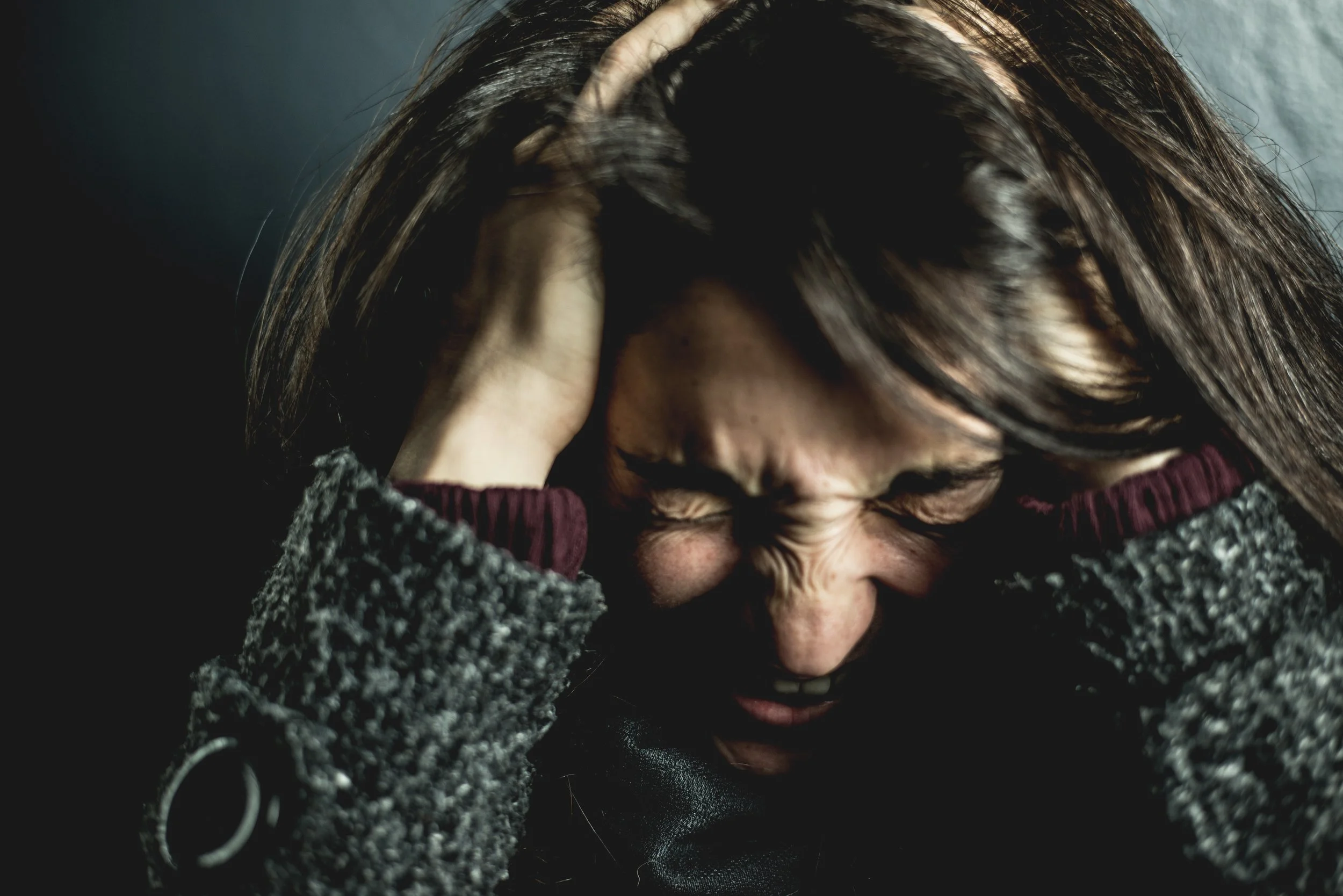
The Scale of the Problem
Stress Is a State
of Mind and Body
Anxiety disorders are the most prevalent mental health condition in the United States, affecting an estimated 40 million adults. Yet fewer than 40% of those who suffer receive any treatment at all. Of those who do, pharmaceutical intervention remains the near-universal default, despite well-documented limitations in efficacy and tolerability for a significant portion of patients.
Chronic stress — even when it doesn't meet the clinical threshold of an anxiety disorder — has measurable effects on the body's endocrine, immune, and cardiovascular systems. Elevated cortisol sustained over months or years is associated with disrupted sleep, impaired immune function, metabolic changes, and increased risk of depression.
Understanding this physiology is exactly where Traditional Chinese Medicine's approach excels. Rather than broadly suppressing symptoms with a single chemical target, an acupuncture and herbal treatment plan engages the nervous system's own regulatory mechanisms.
What the Research Shows
Recalibrating
a Stressed Nervous System
Acupuncture's effect on stress and anxiety is a known fact. Here is what peer-reviewed research has established about the specific mechanisms of action.
Amygdala Deactivation & Limbic Regulation
Functional MRI studies by Napadow and colleagues at Harvard and MIT have demonstrated that acupuncture needle stimulation reduces activity in the amygdala and hippocampus, the brain structures most directly involved in fear and the stress response. This deactivation of the limbic-paralimbic-neocortical network provides a direct neurological explanation for the calm patients consistently report during and after sessions.
HPA Axis Regulation & Cortisol Reduction
The hypothalamic-pituitary-adrenal (HPA) axis is the body's central stress-response system. In chronic stress, this axis becomes dysregulated, producing persistently elevated cortisol even in the absence of actual threat. Multiple studies have demonstrated that acupuncture reduces cortisol levels and helps restore normal HPA axis feedback, with effects that persist beyond the treatment period itself. This addresses the underlying endocrine dysregulation rather than merely masking the symptoms.
Serotonin, GABA & Endorphin Release
Acupuncture increases synaptic concentrations of serotonin and GABA — the same neurotransmitters targeted by SSRIs and benzodiazepines — through endogenous pathways, and without the associated side-effects. It also stimulates release of beta-endorphins and neuropeptide Y, which directly reduce anxiety-related reactions. The result is a neurochemical environment more conducive to calm, achieved through the body's own signaling systems.
Parasympathetic Activation
Anxiety is a state of chronic sympathetic nervous system dominance — the fight-or-flight system stuck in the on position. Acupuncture activates the parasympathetic nervous system ("rest and digest"), lowering heart rate, reducing blood pressure, and downregulating the inflammatory cytokines that sustained stress produces. Heart rate variability — a key biomarker of autonomic balance — improves after acupuncture treatment in anxious patients.
Sleep Architecture Restoration
Anxiety and poor sleep often come together, and each reliably worsens the other. Acupuncture has been shown in polysomnographic studies to increase total sleep time, improve sleep efficiency, and increase the proportion of slow-wave restorative sleep, primarily through its effects on melatonin secretion and the regulation of arousal circuits. Addressing sleep is central to anxiety treatment, and is integrated into every care plan we build.
A Different Philosophy of Care
Treating the Person,
Not Just the Diagnosis
In Traditional Chinese Medicine, we ask the question: what is preventing this person's nervous system from self-regulating, and what specific physiological patterns are driving their particular presentation?
Two patients who both present with anxiety may have completely different underlying pictures. One may have anxiety driven primarily by sleep disruption and chronic physical tension — tight neck, shallow breathing, jaw clenching. Another may present with anxiety tied to digestive irregularity, fatigue, and hormonal fluctuation. A third may show anxiety rooted in cardiovascular reactivity and blood pressure instability. Each calls for a different treatment strategy. Prescribing the same medication to all three addresses none of the upstream causes.
At Miami Acupuncture and Herbal Solutions, the intake process is thorough because this differentiation matters. We examine your full health picture, identify the specific patterns driving your stress response, and build a treatment plan designed for you. This is a collaborative process: your observations about your own body are as valuable to us as any clinical assessment tool.
"Acupuncture helped me understand my anxiety in a way that years of therapy and medication hadn't. Blake explained what was actually happening in my body — and we worked on it together." — Eileen V., patient
What We Assess Beyond the Symptom
- Sleep quality, duration, and dream activity
- Digestive regularity and appetite patterns
- Physical tension location and character
- Cardiovascular reactivity and blood pressure history
- Hormonal cycle influence on anxiety symptoms
- Current medications and supplement use
- Diet, caffeine, and alcohol patterns
- Occupational and relational stressors
- History of trauma and autonomic dysregulation
- Exercise habits and physical tension outlets
Conditions We Address
Stress & Anxiety Presentations
We Treat Effectively
Anxiety is not a single condition. The experience of someone with panic disorder is neurologically distinct from that of someone with chronic occupational stress, even if the underlying biology overlaps. Our approach is calibrated to your specific presentation.
Beyond the Needles
Herbal Medicine &
the Anxious Brain
Botanical medicine for stress and anxiety has a longer evidence trail than most people realize, and it's growing. Several herbs used in classical Chinese and integrative Western practice have been examined in rigorous clinical trials and the results are substantive enough that some have been incorporated into clinical guidelines in European countries.
At Miami Acupuncture and Herbal Solutions, herbal formulas are always prescribed in the context of your complete health picture and reviewed against any current medications. All products come from GMP-certified suppliers with independent purity and potency testing.
The goal is never to create dependency on supplements. Botanical support serves as a bridge while acupuncture and lifestyle changes restore the body's own capacity for self-regulation. Furthermore, the prescription evolves as you do.
Ashwagandha (Withania somnifera)
Among the most rigorously studied adaptogens for stress. A double-blind RCT by Chandrasekhar et al. (2012) found that 300mg of high-concentration ashwagandha root extract twice daily reduced serum cortisol by 27.9% and significantly improved perceived stress scores compared to placebo. Works primarily through HPA axis regulation and adrenal support.
Passionflower (Passiflora incarnata)
A 2001 RCT by Akhondzadeh and colleagues found passionflower extract equivalent in efficacy to oxazepam (a benzodiazepine) for generalized anxiety disorder, with significantly less impairment of job performance. Acts as a GABA-A receptor modulator, the same mechanism as benzodiazepines, but with a gentler pharmacological profile and no known dependency risk at therapeutic doses.
Suan Zao Ren (Ziziphus spinosa)
A cornerstone herb in classical Chinese formulas for anxiety, irritability, and insomnia. Its primary bioactive compound, jujuboside A, modulates glutamate signaling in the hippocampus and has demonstrated sedative and anxiolytic effects. Particularly indicated when anxiety is closely intertwined with sleep disruption.
Bupleurum (Chai Hu)
A primary herb in several classical Chinese formulas for stress-related presentations involving emotional tension, irritability, and digestive upset. Saikosaponins, its active compounds, have demonstrated anti-inflammatory and HPA axis-modulating effects in preclinical research, with a long clinical history of safe use.
Magnolia Bark (Hou Po)
Honokiol, the primary bioactive compound of Magnolia officinalis bark, modulates both GABA-A receptors and cannabinoid receptors with anxiolytic effect, without the sedation associated with benzodiazepines at lower doses. It is also a potent anti-inflammatory and antioxidant, making it relevant to the neuroinflammatory component of chronic anxiety.
Valerian Root (Valeriana officinalis)
Widely used in both Western and integrative herbal medicine for anxiety with an insomnia component. Valerenic acid inhibits the enzymatic breakdown of GABA, increasing its availability at synapses, producing a calming effect without the next-day grogginess associated with many pharmaceutical sleep aids. Most effective as part of a compound formula and when used consistently over several weeks.
Clinical Evidence
The Research Behind
What We Do
Acupuncture for anxiety is among the most actively studied areas in integrative medicine. The literature has matured substantially in the past two decades, moving from small pilot studies to large randomized controlled trials and systematic reviews.
A systematic Cochrane review of acupuncture for depression (which shares substantial neurobiological overlap with anxiety) found evidence that acupuncture as a stand-alone therapy or adjunct to medication produced meaningful improvements, with minimal side-effects versus pharmacological comparators.
Using fMRI neuroimaging, researchers demonstrated that acupuncture needle stimulation produced measurable deactivation of the amygdala, hippocampus, and other limbic structures. This provides direct mechanistic evidence for acupuncture's calming effects at the level of brain circuitry.
A randomized controlled trial examining acupuncture as an adjunct to antidepressant therapy in patients with comorbid anxiety found significant additional reductions in anxiety severity compared to medication alone, indicating that the two approaches work through distinct and complementary mechanisms rather than redundant ones.
In a randomized controlled trial of patients with generalized anxiety disorder, a course of acupuncture produced approximately a 56% reduction in anxiety scores on the Hamilton Anxiety Scale, with effects meaningfully exceeding those seen in the control group receiving conventional care only.
What to Expect
From Overwhelmed
to Well-Regulated
Stress and anxiety accumulate over time, and reversing them takes a structured, patient-centered approach. Traditional Chinese Medicine is unique in that practitioners are trained to identify systemic patterns and treat conditions at their root. Treatment at our clinic is comprehensive and clearly structured.
Free Consultation
Your first visit carries no obligation or cost. We conduct a thorough intake covering your anxiety history, physical symptoms, sleep patterns, lifestyle, and current treatments. This conversation shapes everything that follows. Nothing you mention is too minor — the full picture matters.
Pattern Identification
We identify the specific physiological pattern driving your stress response, whether it centers on HPA axis dysregulation, autonomic imbalance, digestive-nervous system interaction, hormonal influence, or a combination. This determines your treatment strategy, and it is what makes this approach fundamentally different from a one-size-fits-all protocol.
Active Treatment
Most patients begin with weekly sessions of 45–60 minutes. Acupuncture is typically deeply relaxing and many patients fall asleep on the table. Depending on your presentation, an herbal formula, dietary guidance, or breathwork recommendations may be incorporated from the outset.
Integration Between Sessions
The work doesn't stop when you leave the clinic. You'll receive targeted at-home guidance on nervous system regulation techniques specific to your presentation, sleep hygiene, dietary adjustments, and practices that extend the physiological benefit of treatment into your daily life.
Progress, Reassessment & Graduation
A typical full cycle for anxiety treatment is ten to twelve sessions. Most patients notice meaningful change within the first four to six. We track progress concretely, adjust the plan as needed, and work toward the point where you no longer need regular treatment. The goal is autonomy, not ongoing dependency on any therapy.
Patient Experiences
What Patients
Have to Say
Acupuncture helped me understand my anxiety in a way that years of therapy and medication hadn't fully addressed. Blake explained what was actually happening in my body — the cortisol, the nervous system activation — and we worked on it together as a team. After about eight sessions I started sleeping through the night for the first time in years. My anxiety is still there sometimes, but it no longer runs my life. I'm genuinely grateful.
★ ★ ★ ★ ★I came in skeptical and overwhelmed. Blake didn't try to talk me out of my medication — he said let's work alongside it and see what we can improve. Within a month I was calmer, sleeping better, and my stomach issues had almost completely resolved. He sees how everything connects.
I have a very high-stress job and had been dealing with insomnia and constant tension for years. Blake's approach was methodical — I always knew what he was doing and why. The herbal formula made a noticeable difference within two weeks. Six months later I rarely have bad days anymore. Genuinely life-changing.
Common Questions
Frequently Asked
Questions
Your Nervous System,
More Than Just Management
A free consultation is the only way to know if this approach is right for you. Let's find out together.
Book Your Free Consultation- Napadow V, et al. (2007). Effects of acupuncture versus sham acupuncture or condition rest on the human brain activity and connectivity. NeuroImage, 47(3), 1179–1187. Demonstrated amygdala and limbic deactivation during verum acupuncture via fMRI.
- Chandrasekhar K, Kapoor J, Anishetty S. (2012). A prospective, randomized double-blind, placebo-controlled study of safety and efficacy of a high-concentration full-spectrum extract of ashwagandha root in reducing stress and anxiety in adults. Indian Journal of Psychological Medicine, 34(3), 255–262. Reported 27.9% reduction in serum cortisol.
- Akhondzadeh S, et al. (2001). Passionflower in the treatment of generalized anxiety: a pilot double-blind randomized controlled trial with oxazepam. Journal of Clinical Pharmacy and Therapeutics, 26(5), 363–367.
- Goyata SL, et al. (2016). Effects from acupuncture in treating anxiety: integrative review. Revista Brasileira de Enfermagem, 69(3), 602–609. Reviewed RCT evidence showing ~56% reduction in Hamilton Anxiety Scale scores.
- Errington-Evans N. (2012). Acupuncture for anxiety. CNS Neuroscience & Therapeutics, 18(4), 277–284. Systematic review of acupuncture across anxiety disorder subtypes.
- Smith CA, et al. (2018). Acupuncture for depression. Cochrane Database of Systematic Reviews. Found acupuncture effective as adjunct to pharmaceutical care for depression with comorbid anxiety.
- Yeung WF, et al. (2012). Acupuncture for residual insomnia associated with major depressive disorder: a placebo- and sham-acupuncture-controlled multicenter randomized clinical trial. Sleep, 35(4), 543–552. Polysomnographic evidence for acupuncture improving sleep architecture and duration.
- Luo L, et al. (2020). Efficacy and safety of acupuncture for anxiety: a meta-analysis and systematic review. Evidence-Based Complementary and Alternative Medicine. Confirmed acupuncture's clinically significant anxiolytic effect across multiple trial designs.
- Anxiety and Depression Association of America (ADAA). (2023). Facts & Statistics. Source for US prevalence data (40 million affected adults). adaa.org
- McEwen BS. (2007). Physiology and neurobiology of stress and adaptation: central role of the brain. Physiological Reviews, 87(3), 873–904. Foundational reference on HPA axis dysregulation, cortisol, and structural brain changes under chronic stress.