Spring Detox
According to Traditional Chinese Medicine

On Movement, Allergies, and the Liver
Spring’s whole deal is moving what’s been in stillness.
However, there’s this pesky thing called inertia. Things at rest need a kick, and that can be uncomfortable. Nothing too dramatic, but small stuff begins to show up. Sinuses clog more easily. Tempers shorten. Sleep becomes lighter, less restorative. The body feels busy but inefficient, as though energy is being generated without a clear direction to go.
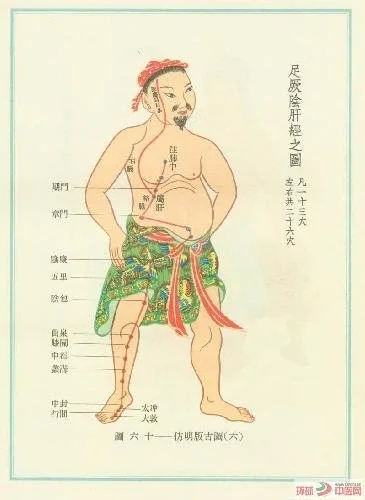
In Traditional Chinese Medicine, this is not surprising. Spring belongs to Jue Yin - terminal Yin, or the end of the Yin period. This is the system responsible for the smooth movement of qi and blood. When that movement is easy, the body adapts to change with little effort. When it isn’t, symptoms emerge.
Miami’s version of spring adds its own pressure. Humidity rises early. Pollen never quite clears. The environment asks the body to adjust before it has fully let go of winter’s habits. For many people, the result is congestion - physically, emotionally, or both.
What Detox Looks Like When Nothing Is Broken
Full disclosure, I’m not a fan of detox culture. Detox, as it’s often employed today, is harsh and excessive. I actually compare it to chemotherapy, because detox protocols use a lot of energy to achieve that flush. Yes, toxins are expelled, but so are a lot of other helpful things. TCM takes a more restrained view. The body already knows how to clear and regulate; it only needs the conditions to do so.
Spring detox is less about removal and more about restoring movement. When Jue Yin qi becomes constrained by stress, heavy foods, lack of physical activity, or emotional compression, the system loses its ability to respond fluidly. Allergies, headaches, digestive discomfort, and irritability are not random events. They are signals that movement has slowed.
The work, then, is not to force change, but to reduce friction.
Allergies as a Problem of Adaptation
Spring is associated with wind in Chinese medicine. Wind moves quickly and affects the upper body: head, sinuses, skin. When internal movement is compromised, the body becomes more sensitive to what moves around it. Dysregulation creates space for ‘wind’ to enter the body and wreak havoc. This is why seasonal allergies often arrive alongside neck tension, pressure behind the eyes, or a sense of agitation. The body is reacting rather than adjusting.
Supporting the Jue Yin improves the body’s ability to meet environmental change without resistance. When movement is restored internally, there’s no space for external factors to take advantage of.
Eating for Movement, Not Restriction
Spring eating is often misunderstood as a call for raw foods and aggressive cleansing. This is only indicated for people with significant excess – high manic energy, red face, high blood pressure, irritability, etc. For many, especially in humid climates, it creates more stagnation rather than less.
The Jue Yin responds well to lightness, warmth, and gentle stimulation. Green foods, like leafy vegetables, herbs, and young plants, are useful because they support directional movement. Sour flavors, used sparingly, help initiate flow. Heavy, greasy, and overly sweet foods tend to slow things down.
Cooking matters. Light sautéing or steaming is often more supportive than raw foods, especially when digestion is already compromised. Indeed, consuming raw food exposes us to more toxins and heavy metals found in soil and pesticides – washing doesn’t cut it.
Movement Beyond Exercise
Spring does not demand intensity, that’s a Summer thing. It asks for circulation.
Walking, stretching, and rotational movement help open the channels associated with the Liver and Gallbladder. The sides of the body, hips, and neck often hold the most tension during this season. Addressing them gently can change how the entire system feels.
Emotionally, the Liver is sensitive to constraint. Frustration, when held rather than expressed or resolved, has a physical cost. This doesn’t require dramatic catharsis, only honesty and some room to move.
Acupuncture and Seasonal Support
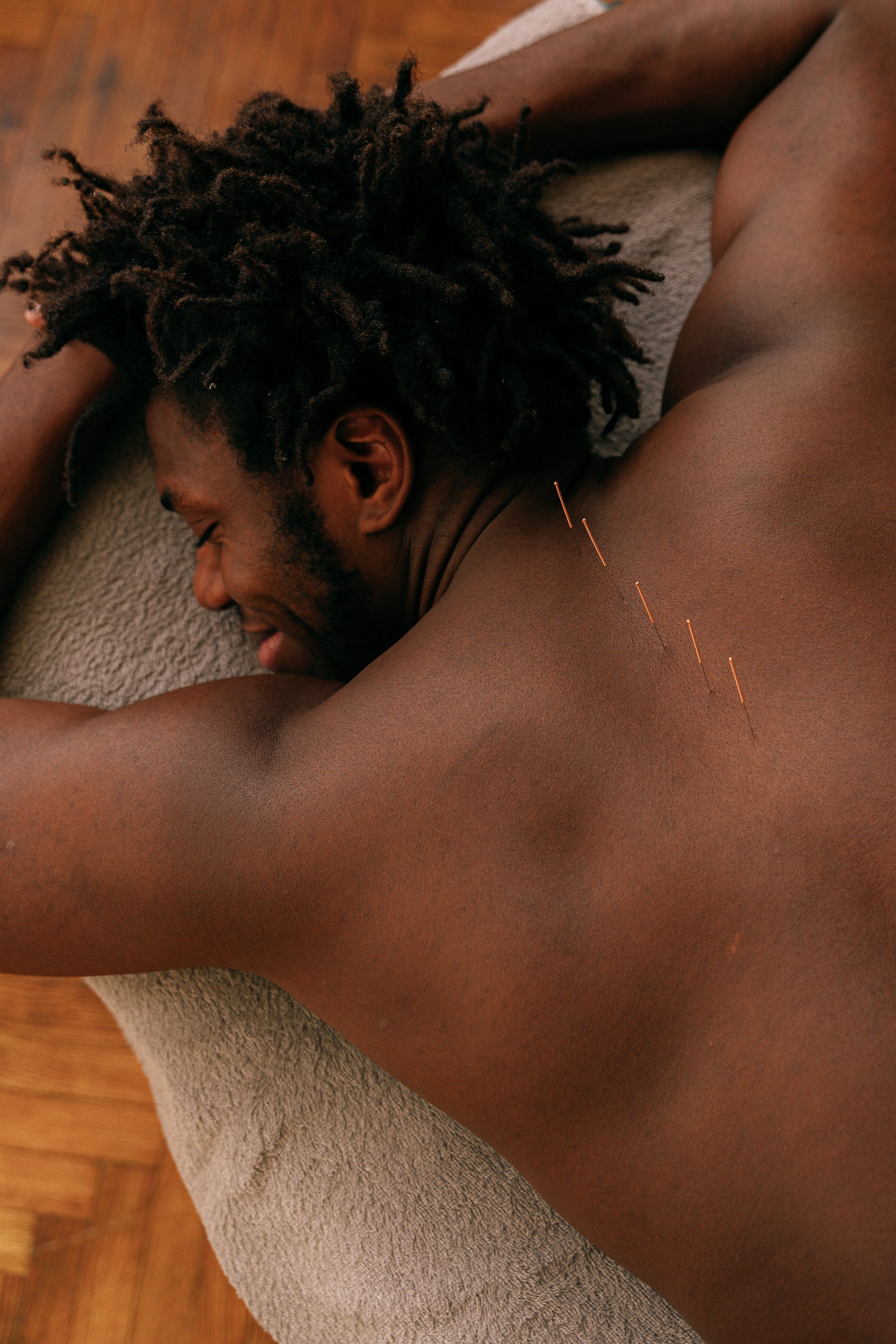
Acupuncture during seasonal transitions is less about symptom management and more about timing. In the Huang Di Nei Jing, the oldest compendium of TCM knowledge, it’s said that improper care in Spring leads to illness in the Summer. When addressed early, imbalance requires less intervention. When ignored, it tends to compound.
Treatments aimed at smoothing Liver qi often improve sleep, digestion, mood, and allergy response simultaneously because they share a common root. Herbal support, when appropriate, works in the same way. Formulas are chosen not to suppress symptoms, but to restore the body’s capacity to regulate itself.
A Quiet Reset
Spring does not require a reinvention. It asks for responsiveness. For attention to the places where movement has slowed and a willingness to intervene gently, before symptoms insist on being louder.
Increase movement, but don’t overdo it; help the body maintain health by getting out of its way; eat clean, but cooked; and if needed, ask for help. Begin 2026 by setting the right habits, laying the groundwork for wellness throughout the year.